
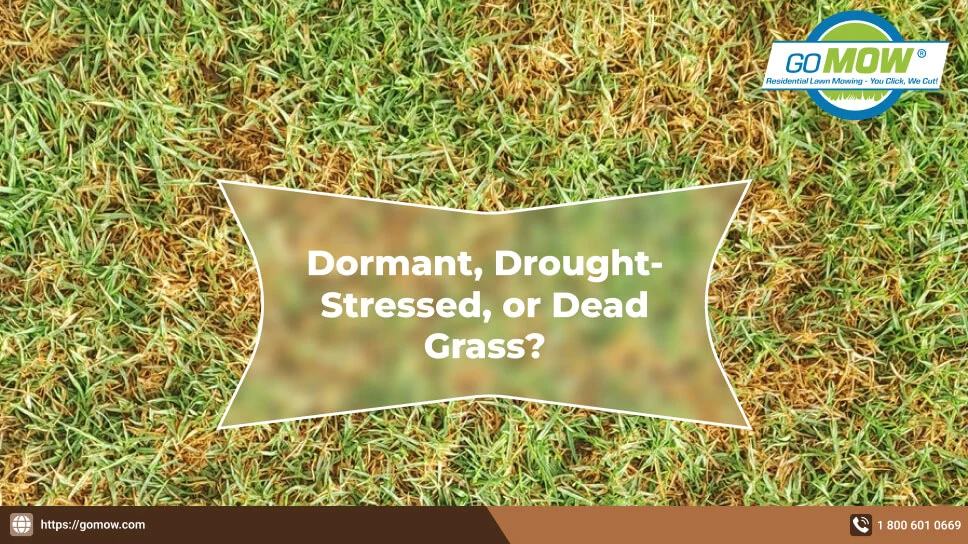
Dormant Grass vs. Drought-Stressed Grass vs. Dead Grass: What’s the Difference?
In Texas, seasonal temperature changes and prolonged dry weather can affect grass in different ways.
The first step is to understand whether your lawn is dormant, struggling with a lack of water, or dealing with dead turf.
Here is how these three conditions differ:
| What to check | Dormant grass | Drought-stressed grass | Dead grass |
|---|---|---|---|
| Color | Tan or brown. | Blue-gray, yellow, or brown. | Brown or straw-colored. |
| Grass blades | Dry-looking but remain attached. | Curled, folded, or wilted. | Brittle and lifeless. |
| Growth | Temporarily stops. | Slow down. | Does not resume. |
| Roots and crowns | Usually remain alive. | May remain alive but become damaged. | Dead or severely damaged. |
| Recovery | Returns when conditions improve. | May recover with proper watering. | Requires lawn repair or replacement. |
Grass Dormancy
The term “dormant” refers to grass that is not growing and is brown in color due to the weather. Most grass types like Bermuda go through a period of dormancy, particularly in the winter when the air is cold and the grass stops its active growth to save energy.
When grass becomes dormant, its leaves appear dry; however, the roots and the crown can still be alive.
If conditions improve and the weather warms, grass is able to return to its original green growth state.
Grass Drought Stress
When grass is not supplied with an adequate amount of water to support healthy growth, the grass becomes drought stressed.
When the weather is too hot for an extended amount of time and when it doesn’t rain enough to supply the grass with adequate amounts of water, and the soil is dry, the grass will lose its color and will lose the color of its green blades.
You will notice grass blades curl and turn a blue-gray color, and you will notice that the grass leaves will retain a footprint once you have walked across your lawn.
If the grass continues to receive a low supply of water, it may become dormant or it may permanently damage your grass.
Dead Grass
Dead grass is grass that is unable to recover from a previous stressful situation, such as an injury, disease, or insect damage, even under good growing conditions.
This grass is damaged, and there is no potential for it to grow.
Dead patches are usually the result of long-term drought, poor lawn maintenance, disease, pests, and insects.
Dead grass has the ability to grow back only if the area is reseeded or sprigged. If the grass is just dormant, it has the ability to grow back once good conditions arrive; however, if it is drought stressed, it needs to be treated to prevent further damage.
The last situation is grass that has died. You need to assess the state of your grass roots to distinguish between these three.
When Does Grass Go Dormant in Texas?
Understanding the variables that contribute to grass dormancy helps to keep you from accidentally overtreating or undertreating a healthy lawn that looks damaged.
Generally, warm-season grasses in Texas, which include Bermuda, St. Augustine, and Zoysia grasses, grow active and lush during the warmer, spring, and summer months.
These grasses go dormant during the cooler autumn and winter months, and they will even enter a summer dormancy phase in times of extreme summer heat and extended periods without rain.
Winter Dormancy in Warm-Season Grass

Warm season grasses tend to become inactive when the temperature drops. This leads to color loss of the grass blades. This process starts with the blades losing their green color and slowly turning tan, then brown.

This is a normal part of the grass cycle. The plant draws energy and survives the winter with a dormant system, using an underground network of roots, rhizomes, and/or stolons.
In North Texas, Bermuda lawns often turn brown in late autumn and go dormant during the winter.
It’s a similar story in Central and South Texas, although it depends on the temperature, especially in cases of early winter cold spells.
Should you notice brown grass in your lawn, examine the soil. Most often the root systems of the grass are still healthy and will regrow come springtime, so it doesn’t always necessitate a complete replacement.
Summer Dormancy During Texas Droughts

Winter is not the only time grass can turn brown. Texas summers bring high temperatures, limited rainfall, and extended dry periods that can put lawns under water stress.
When soil moisture becomes insufficient, warm-season grass may slow its growth and enter drought-induced dormancy to conserve water. The lawn can lose its green color even during the active growing season.
However, drought dormancy should not be confused with healthy seasonal dormancy. If dry conditions continue, the roots and crowns may suffer damage, leaving parts of the lawn unable to recover.
Pay attention to soil moisture and the condition of the grass. Providing appropriate water during extended dry periods can help prevent temporary stress from turning into permanent turf damage.
When Does Bermuda Grass Go Dormant in Texas?
One of the most common turf grasses for lawns in Texas is Bermuda grass. It is most active during the warm summer months and loses its color in late fall as temperatures begin to cool.
It continues to be dormant until late spring when the air and soil temperatures begin to warm. The length of dormancy can vary but starts sometime between October and November and extends through the month of March in Texas.
During this dormant period, Bermuda grass can lose its color and turn brown, similar to how it can during the summer months when it receives an insufficient supply of water to support active growth.
If your lawn turns a brown or tan color over large areas and has grass blades that appear dry and are still firmly rooted to the soil, it is possible your lawn has begun its dormancy.
You may also notice your grass has stopped growing, especially in contrast to what you might expect during spring when you start to see new growth. Don’t be fooled by the color of your Bermuda grass lawn and decide that it needs to be replaced.
Although it may look completely dead, its roots and the other structures below the surface are still living. Avoid cutting or applying fertilizers while the lawn is in a state of dormancy. When growth becomes active once again, you can resume your typical lawn care practices.
How to Tell If Your Grass Is Dormant or Dead
When your lawn turns brown, its appearance alone may not tell you whether the grass is still alive. Dormant and dead grass can look similar from above, but their roots, crowns, and ability to produce new growth are different.
If you are wondering, is my grass dead or dormant, start by checking the following signs.
Signs of Dormant Grass
Dormant grass may look dry and lifeless, but the plant is still alive beneath the surface. Look for these signs:
- Brown or tan blades: The grass loses its green color but remains rooted in the soil.
- Firm roots and crowns: The underground plant structures remain intact and healthy.
- No active growth: The lawn stops growing during unfavorable temperatures or dry conditions.
- Consistent discoloration: Large sections of the lawn may turn brown around the same time due to seasonal changes.
- New growth in favorable weather: Green shoots begin appearing when temperatures and growing conditions improve.
These are common signs of dormant grass, particularly in Bermuda lawns during winter.
Signs of Dead Grass
Dead grass cannot recover through normal watering or warmer weather. Check for these warning signs:
- Brittle blades: Grass feels dry and breaks apart easily.
- Loose turf: Affected grass may pull away from the soil with little resistance.
- Damaged roots or crowns: Underground plant structures appear dark, dry, or rotten.
- Persistent bare patches: Areas remain brown or empty while surrounding grass resumes active growth.
- No new growth: The affected areas fail to recover during the normal growing season.
These are common signs of dead grass. However, some symptoms can overlap with severe drought stress, so inspect the roots and crowns before deciding that the turf needs replacement.
Three Simple Ways to Check Your Lawn
You do not need special equipment to perform a basic lawn inspection. A few simple checks can help you understand what is happening beneath the grass.
1. Perform a Pull Test
Gently tug on a few grass blades in the affected area. Dormant grass generally remains firmly rooted, while dead or severely damaged turf may pull away easily. This test provides a clue, but it cannot confirm the condition on its own.
2. Check the Soil Moisture
Push a screwdriver or small garden tool into the soil. If the ground is hard and dry, your lawn may be experiencing drought stress. Moisture levels can help explain why the grass has changed color.
3. Inspect the Roots and Crowns
Dig up a small sample of the affected turf. Check the crowns, which are the parts of the grass plant near the soil surface where new shoots develop. Living crowns should remain firm, while dead or damaged tissue may appear dark, dry, or rotten.
If you find that some areas have healthy roots while others have damaged crowns, your lawn may have a combination of dormant and dead patches.
Remember: Do not judge your entire lawn based on one brown patch. Check several areas, particularly where the grass looks different. This will help you decide whether the lawn needs time to recover, changes to its watering routine, or actual turf repair.
How to Recognize Drought-Stressed Grass Before It Dies
Texas summers can put considerable stress on lawns. High temperatures, limited rainfall, and dry soil make it difficult for grass to get the moisture it needs. If these conditions continue, your lawn may start losing its green color and show signs of drought stress.
Recognizing these symptoms early can help you take action before the grass suffers permanent damage.
Here are some common signs of drought-stressed grass:
- Blue-gray or dull green color: Grass may lose its usual green appearance before turning yellow or brown.
- Curled or folded blades: Grass blades may roll inward or fold to reduce moisture loss.
- Footprints that remain visible: If footprints stay on the lawn after you walk across it, the grass may have lost some of its ability to spring back.
- Dry soil: Soil feels dry several inches below the surface, indicating that the grass may not be receiving enough water.
- Uneven brown patches: Areas exposed to direct sunlight or with shallow soil may show stress before other parts of the lawn.
What Happens If Drought Stress Continues?
When grass does not receive enough water, it gradually slows its growth to conserve moisture. Some warm-season grasses may enter drought-induced dormancy, turning brown while their underground structures remain alive.
However, prolonged water shortages can damage roots and crowns. Once this happens, parts of the lawn may die and require repair.
If you notice these symptoms, check the soil moisture before deciding how much to water. Watering needs vary with grass type, soil conditions, rainfall, and local watering restrictions. Avoid waiting until the entire lawn turns brown before addressing water stress.
Caring for Dormant Grass
If your grass is dormant, avoid treating it as damaged turf. The underground parts of the plant may still be alive and ready to produce new growth when conditions improve.
A few simple steps can help protect dormant grass:
- Reduce mowing: Since dormant grass has little or no active growth, frequent mowing is unnecessary. Avoid cutting it just to remove its brown appearance.
- Water when needed: Dormant grass still needs some moisture. During extended dry periods, occasional watering may help prevent excessive dehydration.
- Avoid unnecessary fertilizer: Wait until the grass resumes active growth before applying fertilizer according to its seasonal needs.
- Limit unnecessary foot traffic: Avoid excessive activity on dormant turf, as it may be more vulnerable to wear and damage.
Helping Drought-Stressed Grass Recover
Drought-stressed grass needs attention before the damage becomes permanent. Start by checking soil moisture and adjusting your watering routine.
Consider these steps:
- Water deeply: Apply enough water to moisten the root zone rather than giving the lawn frequent, shallow watering.
- Follow local watering restrictions: Texas communities may have specific schedules or limits for outdoor water use.
- Maintain the right mowing height: Avoid cutting grass too short, as longer blades help shade the soil and reduce moisture loss.
- Monitor recovery: Look for improved blade color, new growth, and better turf condition after watering.
- Check for other problems: If brown patches remain, inspect for pests, disease, or drainage issues.
Avoid assuming that every brown area needs more water. Overwatering can create additional problems, including root damage and fungal disease.
Repairing or Replacing Dead Grass
If the grass has died, watering alone will not bring it back. First, identify what caused the damage so the same problem does not affect newly planted turf.
Depending on the grass variety and the size of the damaged area, you may consider:
- Reseeding: Suitable for grass varieties that can be established from seed. Choose the correct planting season for the variety.
- Sod installation: A useful option for covering larger bare areas with established turf.
- Plugs or sprigs: These can help fill damaged areas in lawns with varieties such as Bermuda and certain Zoysia grasses.
If you are considering dormant grass seeding, understand that dormant turf and dead turf are different. There is little reason to seed an area simply because its existing grass has turned brown during winter. Also, some warm-season grasses require vegetative planting methods rather than seed.
For larger damaged areas, identifying the grass variety and checking soil conditions before planting can help prevent another round of turf loss.
How Regular Lawn Maintenance Helps Prevent Grass Damage
A healthy lawn needs different care as temperatures and growing conditions change throughout the year. In Texas, summer heat, limited rainfall, and winter dormancy can all affect grass health. Regular maintenance helps homeowners catch early signs of stress and keep their yards in good condition.
Here are a few lawn care practices worth following:
- Mow at the right height: Different grass varieties have different mowing requirements. Avoid cutting grass too short, particularly during hot and dry weather.
- Adjust mowing frequency: Bermuda and other warm-season grasses need more frequent mowing during active growth. Reduce mowing when growth slows in cooler months.
- Follow a suitable watering schedule: Check soil moisture and adjust watering based on rainfall, temperature, and grass conditions. Avoid both underwatering and excessive irrigation.
- Watch for brown patches: Inspect areas where grass starts losing color. Early attention can help identify drought stress, pests, disease, or drainage problems.
- Maintain seasonal care: Adjust mowing, watering, and fertilization based on whether your grass is actively growing or dormant.
If you have a busy schedule or are unsure how to maintain your lawn throughout the year, a professional lawn mowing service can help keep grass at the appropriate height and prevent overgrown areas.
A regular lawn care service can also help you stay on top of seasonal maintenance and identify visible lawn problems before they spread.
The goal is to give your grass the care it needs during active growth, hot weather, and seasonal dormancy rather than following the same maintenance routine throughout the year.
Keep Your Texas Lawn in Good Shape With GOMOW Lawn Care Service
A brown lawn does not always need new grass or major repairs. Sometimes, it needs the right seasonal care and a little time to recover. Understanding your grass type, adjusting mowing frequency, and keeping up with routine maintenance can help protect your lawn through Texas summers and winters.
If keeping up with lawn maintenance is becoming difficult, GOMOW Lawn Care Service can help. GOMOW provides lawn mowing services for homeowners who want their yards maintained without having to manage every mowing session themselves.
Whether your Bermuda grass is growing actively during summer or slowing down for winter, a consistent mowing schedule helps keep your yard neat and manageable.
Visit GOMOW.com to explore lawn mowing services and find out how GOMOW can help maintain your Texas lawn.
Frequently Asked Questions
Can dormant grass turn green again without reseeding?
Yes. Dormant grass can turn green again when temperatures become favorable, provided its roots and crowns are healthy.
How long can Bermuda grass stay dormant in Texas?
Bermuda grass typically stays dormant from late fall through winter and starts growing again in spring.
Should I water brown grass during winter?
Yes, if the soil becomes too dry and rainfall is limited. Avoid overwatering dormant grass.
Can dead grass come back after watering?
No. Dead grass cannot recover through watering. Damaged areas need reseeding, sod, plugs, or sprigs, depending on the grass variety.
Should I mow dormant Bermuda grass?
No regular mowing is needed while Bermuda grass is dormant. Resume mowing when active growth returns.
When should I seed or replace dead grass in Texas?
Late spring to early summer is generally suitable for establishing Bermuda grass. Other varieties may require different planting methods and timing.


